Ice Dams: Why They Form on Etobicoke Roofs and What Actually Stops Them
Alderbridge ContractingNovember 18, 2025
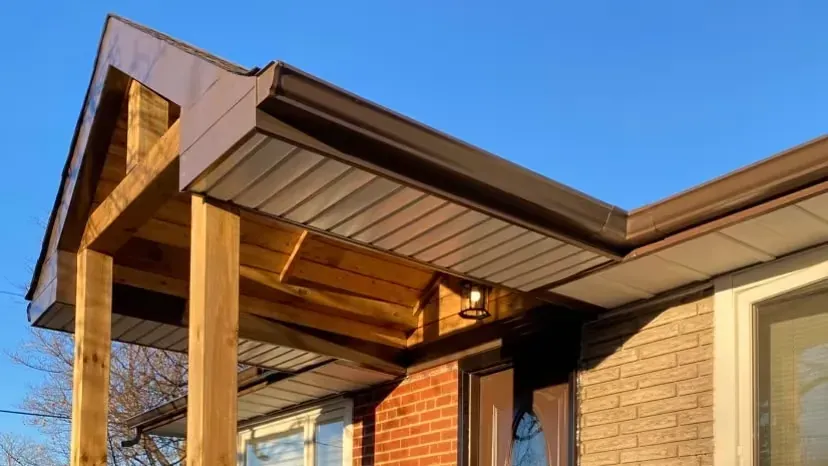
If your house grows a thick ridge of ice along the bottom edge of the roof every winter, with a row of icicles hanging off the gutters, you have ice dams. And if you have had a water stain appear on a ceiling or an upper wall in February, there is a good chance they are why.
The common assumption is that this is a roofing problem. Mostly it is not. It starts in the attic.
Here is what happens. Heat escapes from the house into the attic. It warms the underside of the roof, which melts the snow sitting on top of it, even on days when it is well below freezing outside. The meltwater runs down the roof until it reaches the eaves. The eaves hang out past the wall of the house, so there is no warm attic under them, and they are as cold as the outdoor air. The water refreezes there. Over a few weeks that ice builds into a dam, and the next lot of meltwater pools behind it.
Shingles shed water running downhill. They are not built to hold back a pond. That water backs up under them and finds its way inside.
So the real question is how the heat is getting into the attic. In most of the houses we look at, it is two things.
Air leaks are the bigger one. Warm air from the living space leaks up through every gap in the top-floor ceiling: around light fixtures and old pot lights, the attic hatch, plumbing stacks, bathroom fans, the top of interior walls. That warm air carries moisture too, which is why a leaky attic often shows frost on the underside of the roof boards in January.
Then insulation. Many 1950s and 60s houses in Etobicoke were built with a fraction of the attic insulation the code asks for today, and what is there has often been flattened over the decades or disturbed by every electrician who ever crawled through. Thin insulation lets the attic floor warm up and pass that heat on to the roof.
Fixing ice dams properly means fixing the attic. Seal the air leaks in the ceiling first. Then top up the insulation. In that order, because insulation piled on top of a leaky ceiling just hides the leaks. Make sure there is a clear path for air from the soffit vents up to the roof vents, so the attic stays cold and dry. Baffles at the eaves keep the new insulation from blocking the soffits.
And if any bathroom or kitchen fans vent into the attic rather than through the roof or a wall, fix that first. We still find them. A bathroom fan blowing warm, wet air into the attic every morning is about the worst thing you can do to a roof in winter.
On the roof itself, the code requires a waterproof membrane, called eave protection, along the bottom edge on most houses here. Whenever the roof is replaced, make sure it goes in properly. It is the backup plan for when water does get past the shingles. It does not stop ice dams from forming, though.
What about heating cables? They melt channels through the ice and can help with a specific problem spot, like a valley over a front door. But they treat the symptom. They cost money to run all winter, and they do nothing about the heat you are paying to send into your attic.
And please do not go up there with a hammer or an axe to chop the ice off. It damages the shingles, and people get hurt every year doing it.
If you are getting ice dams, have someone look at the attic before anyone looks at the roof. Air sealing and insulation fix the cause, they cost less than a roof, and they show up on your heating bill too.
Related posts
- Which Renovations Offer the Best ROI in Etobicoke?Want to maximize your renovation budget? Learn which upgrades bring the highest return on investment for Etobicoke homeowners.
- Decks, Patios and Outdoor Living in Etobicoke: What Lasts and What FailsBuilding outdoor space that survives southern Ontario winters — footings, permits, materials, and how to get more than ten weeks a year out of it.
- Kitchen Renovation in Etobicoke: Layout, Open-Concept Walls and FinishesA practical guide to renovating an Etobicoke kitchen — getting the layout right, what opening a wall really involves, and which finishes are worth the money.