Renovating in Winter in Toronto: What Works and What Should Wait
Alderbridge ContractingNovember 3, 2026
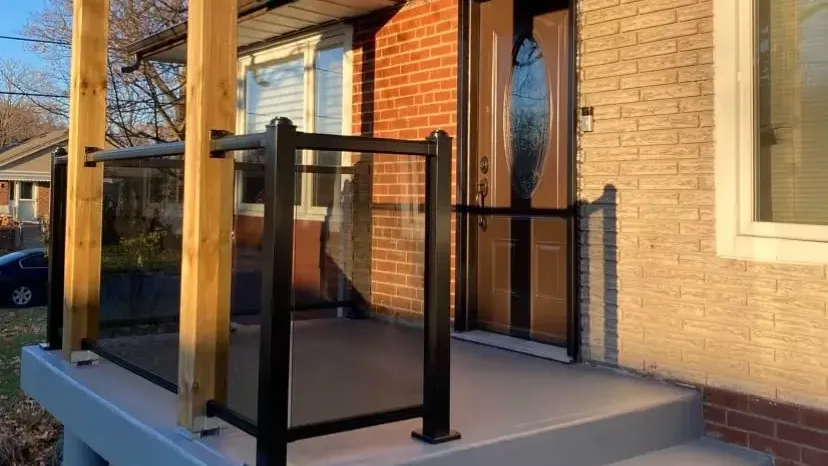
There is a persistent idea that renovating is a summer thing. For anything outside, fair enough. For a lot of interior work, though, winter is one of the better times to do it, and spring is one of the worst times to start planning.
Start with what works well in winter. Pretty much anything inside the envelope of the house. Kitchens, bathrooms, basements, flooring, interior painting, built-ins, opening up a wall. The weather barely matters to any of it. In fact the dry air in a heated house in January helps drywall compound and paint dry faster and more evenly than the muggy days of July.
Basements in particular.
A basement renovation started in January means the space is ready for spring. You also get to see how the foundation behaves during the March melt before the drywall goes up, which is not a small thing.
What should wait, or at least needs a different plan? Concrete is the main one. Fresh concrete has to stay above freezing while it cures, so footings, slabs and foundation work in winter need insulated blankets or heated enclosures, which adds cost. Digging through frozen ground is slower and harder too. Unless it cannot wait, footings for an addition or deck are a spring job.
Exterior painting, caulking and most sealants have a minimum application temperature printed on the label, usually somewhere around 5 to 10°C. In a Toronto winter that rules out most days. Same goes for stucco, parging and anything mortar-based. Roofing can be done in winter but shingles are brittle in the cold, so it is a repair-only job unless something is actually leaking.
Snow is not the problem. Cold is.
Windows and doors are in between. Replacing windows in winter is doable if it is done one or two openings at a time so the house never stays open for long. Plan for a cold room for an afternoon, not a cold house for a week.
Here is the bit people do not expect: winter is the best time to plan summer projects. Decks, patios, additions and anything that needs a building permit or a Committee of Adjustment hearing should be in the design and permit stage over the winter. If you start planning a deck in May, you are often building it in August, or next year. The people who have their deck by June started talking to someone in January.
Contractor schedules follow the same pattern. The phone rings hardest from March to May, when everyone looks at their house in the spring light and decides it is time. In the first couple of months of the year, schedules are usually more open and start dates come sooner. We will not pretend that makes it cheaper, since materials and wages cost the same in February. But it does usually mean less waiting.
A couple of winter-specific things to plan for. Expect boots on floors and salt tracked in. A good crew protects floors from the door to the work area and changes into indoor shoes, so ask. Doors get opened a lot during demolition and when materials come in, so the house will lose some heat. And if a project needs the heat or water shut off, schedule it around the forecast, not on the coldest day of the week.
So: inside jobs this winter, outside jobs planned this winter and built when the ground thaws. That is the order that tends to work best here.
Related posts
- How to Read a Renovation Quote (and Compare Three of Them Fairly)Three quotes for the same job can differ by tens of thousands of dollars and all be honest. What to look for line by line so you are comparing like with like.
- Pot Lights Done Right: How Many, Where, and What Goes WrongPot lights are the most requested electrical upgrade we do. Spacing, colour temperature, dimmers, and the top-floor ceiling problem nobody mentions.
- The Spring Walk-Around: What to Check on Your House After a Toronto WinterAn hour outside in April can save a wet basement in May. The checks we would do on our own houses once the snow is gone.