Energy Upgrades for Etobicoke Homes, in the Order That Actually Pays Back
Alderbridge ContractingMay 3, 2025
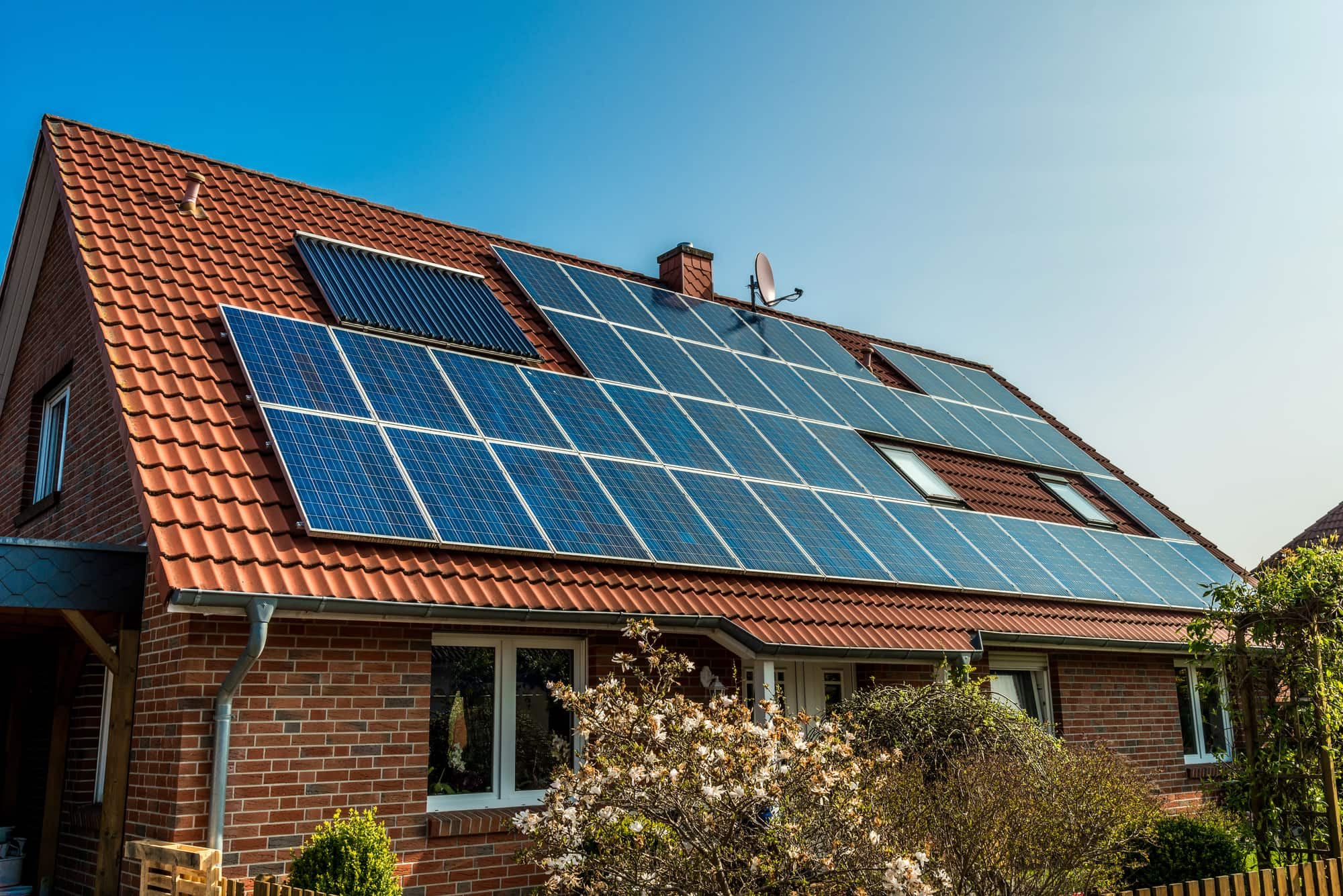
Most energy upgrades are sold in the wrong order. Windows are the most visible and the slowest to pay back. Air sealing is invisible, unglamorous, and usually returns the most per dollar. If you do these in the sequence a salesperson suggests rather than the sequence physics suggests, you will spend considerably more for the same result.
In a typical older Etobicoke house, uncontrolled air leakage moves more heat than conduction through the walls does. Sealing the attic hatch, top plates, plumbing and wiring penetrations, the rim joist and the gaps around window frames costs a fraction of any other measure and delivers a disproportionate share of the improvement. It is the first thing to do, every time.
The rim joist — the band of framing sitting on top of the foundation wall — deserves specific mention. It is one of the largest and most consistently neglected sources of heat loss and draughts in houses of this age, it is quick and inexpensive to seal and insulate, and the difference is immediately noticeable in the rooms above it.
Attic bypasses are the other big one: gaps around chimneys, bathroom fans, pot lights and interior wall top plates that let heated air pass straight into the attic. Blowing more insulation over unsealed bypasses buries the problem rather than fixing it, and can cause ice damming and attic moisture. Seal first, then insulate — attic insulation is the cheapest place to add meaningful R-value and the easiest to reach.
Wall insulation and window replacement come after, because both cost considerably more per unit of heat saved. When windows do reach end of life the specification matters — low-emissivity coatings, argon or krypton fill, warm-edge spacers, insulated frames — but so does the install. A high-performance window fitted without proper air sealing and flashing performs like a cheap one.
There is one thing you must not skip. A house that has been properly air sealed needs mechanical ventilation. Older houses ventilated themselves through their leaks, at considerable cost in heat; once you close those leaks, moisture and indoor pollutants need a controlled way out. A heat recovery ventilator supplies fresh air continuously while recovering most of the heat from the outgoing stream. On any substantial envelope work we treat ventilation as part of the same scope, not an optional extra — it protects the building and the people in it.
Cold-climate air source heat pumps have become genuinely viable in southern Ontario. They work best in a house whose envelope has already been improved, because a tighter house needs a smaller and cheaper system — another reason sequence matters. Pairing any of this with a smart thermostat and LED lighting picks up immediate savings for very little outlay.
On materials, the sustainable choices that also perform are the straightforward ones: spray foam or rigid insulation detailed continuously, high-performance glazing, low-VOC paints, and water-saving fixtures in kitchens and bathrooms. Reclaimed wood and bamboo flooring are real options where the look suits the house.
Federal and provincial incentive programmes for envelope work and heat pumps exist and change regularly, and most require a pre-upgrade and post-upgrade assessment by a registered energy advisor to qualify. We will tell you what is currently running and what the sequence requires; the assessment itself is done by an independent advisor, not by us.
Thinking about energy-efficient upgrades?
Most energy upgrades are sold in the wrong order. Windows are the most visible and the slowest to pay back; air sealing is invisible and usually the fastest. We sequence the work by what actually reduces your bills.
See Energy-Efficient UpgradesRelated posts
- Which Renovations Offer the Best ROI in Etobicoke?Want to maximize your renovation budget? Learn which upgrades bring the highest return on investment for Etobicoke homeowners.
- Decks, Patios and Outdoor Living in Etobicoke: What Lasts and What FailsBuilding outdoor space that survives southern Ontario winters — footings, permits, materials, and how to get more than ten weeks a year out of it.
- Kitchen Renovation in Etobicoke: Layout, Open-Concept Walls and FinishesA practical guide to renovating an Etobicoke kitchen — getting the layout right, what opening a wall really involves, and which finishes are worth the money.